Read our latest blog
Why We Built the Humanitarian Games CatalogueHumanitarian Games Catalogue
Evidence-based directory of video games, simulations, and learning tools for the humanitarian and development sector.
Browse the Catalogue
Showing 12 approved games
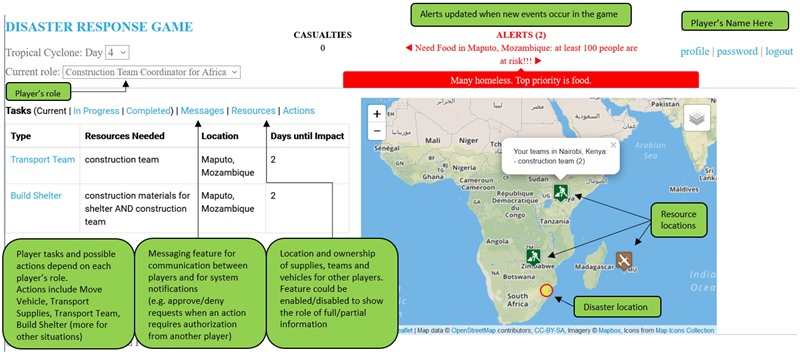
Disaster Response Game
Michael G. Klein, Peter L. Jackson and Miho Mazereeuw
You hold one of four roles in a team responding to a tropical cyclone heading for southeastern Africa. You control some of what the response needs — construction supplies, construction teams, food and water, or the authority to approve every movement — but never all of it. Warnings arrive before the storm does, so you can move things into place early if you agree with the others where. The game runs one day at a time. Most actions take a full day, and handing a resource to another player is instant, so who owns what and when becomes the thing you argue about. When people need water, food, shelter or a clinic and your team is late, casualties appear in the header and keep climbing every day until you finish the job. The game ends when every task is done.
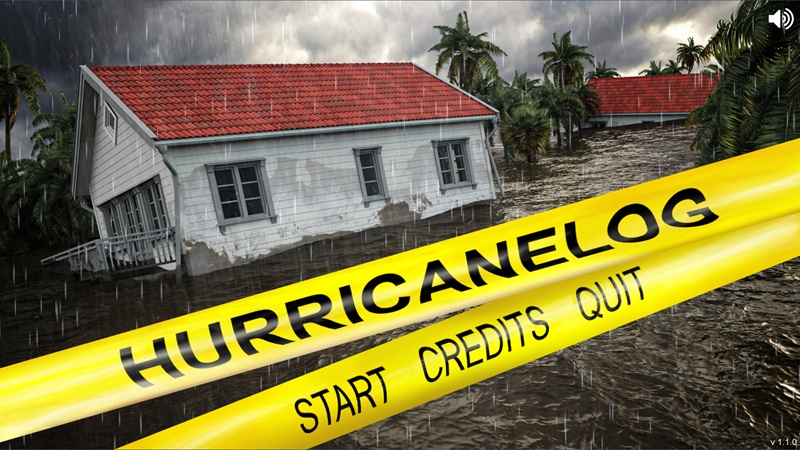
HurricaneLog
Thiago Pereira, Daniel Aloise, Marie-Ève Rancourt, Danny Godin
You work for a regional agency that handles disasters across four Caribbean islands. Before the hurricane season starts you get a budget. You decide how to spend it: buy relief supplies now and store them, improve a warehouse, upgrade a port, sign deals with suppliers or shipping companies, speed up customs, or pay for training and better communication. Each island is different, with its own population, wealth, risk level and quality of logistics. Then the season begins. Storms appear on the map, and you watch the forecast cones that show where each one might go. When an island is hit, people need food and family kits, and you decide what to send, from where, and whether by ship or by plane. At the end you see how many people you helped, how long they waited, and what it cost.
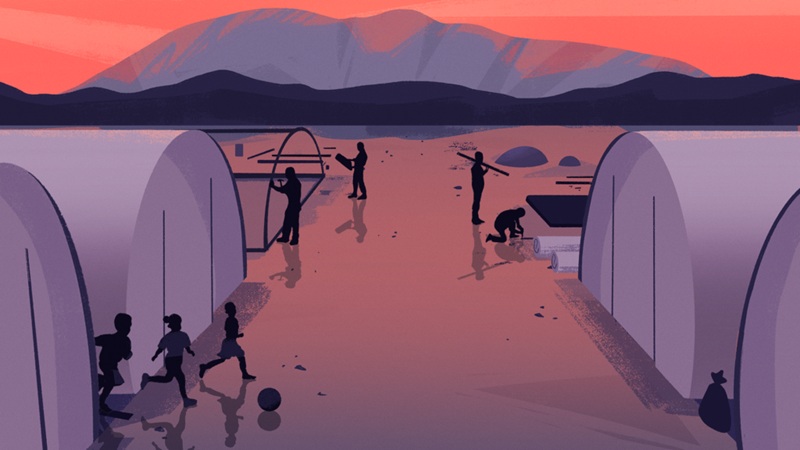
In 90 Days
Humanitarian Leadership Academy, World Vision, PRELOADED
You are the field manager for an emergency that has just begun, and you have ninety days. Pick one of three crises: a conflict zone, a pandemic, or people displaced by climate change. Events then arrive one after another, and each makes you choose between the quality of your response, the speed of it and what it costs, with resources that never stretch far enough. Two communities start competing over clean water as displaced people arrive. An incident of gender-based violence has to be answered while everything else is still burning. What happens next depends on what you decided, so the same crisis unfolds differently the next time you play it. A run takes about half an hour, and finishing earns digital badges in areas such as coordination, staff treatment and resource management.
Logistics to the Rescue
Erin Mullin; Ashlea Bennett Milburn
You play an emergency dispatcher in the hours after a disaster. One vehicle is available, and more people need help than you can reach. You start with the calls that came through the emergency line, and you plan a route. Part way through, new requests arrive from social media. Some may be false. You choose whether to go after them or stay with the calls you trust. Later you learn which ones were real, and you plan again with the time you have left. Then you play a second round where every stop is final the moment you choose it. At the end you see how many lives you saved.
Bury Me, My Love
The Pixel Hunt, Figs and ARTE France
You are Majd. Your wife Nour has left Syria to try to reach Europe, and you have stayed behind. Everything happens inside a messaging app: she writes to you from the road, sends photos and voice notes, and you reply by picking from a short list of prepared answers. You cannot take a reply back. She asks for directions, for an opinion about a smuggler, for a decision about a border crossing — then she decides for herself what to do with what you told her, and sometimes she ignores you. There is no score and no game over screen. Nour can pass through fifty places and the story can end in nineteen different ways, from arrival to detention, separation and death. The ending you reach is the only feedback you get.
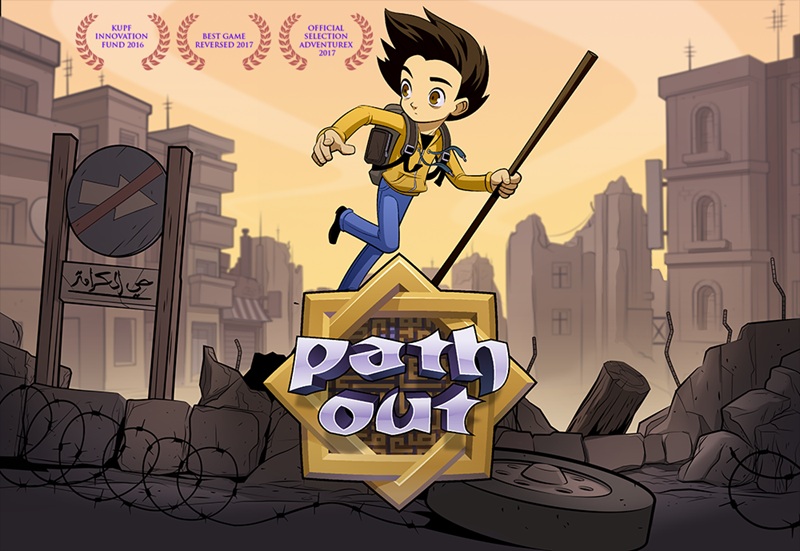
Path Out
Causa Creations, Abdullah Karam
You play a teenage boy in Hama, Syria, in 2014. The game looks like an old 16-bit role-playing game. You walk around pixel streets, talk to your family, and do small tasks. Then the war comes closer. Your family decides you have to leave. The same small world now becomes a road north, through Aleppo province, towards the Turkish border. You pass checkpoints and soldiers. You cross a minefield, and you must look carefully before every step. There is no fighting in this game. You walk, you talk, and you stay out of trouble. From time to time a video opens in the corner of the screen. The real person whose escape this is speaks straight to you. He explains what the game left out. He jokes about his own bad choices. The story stops at the Turkish border.
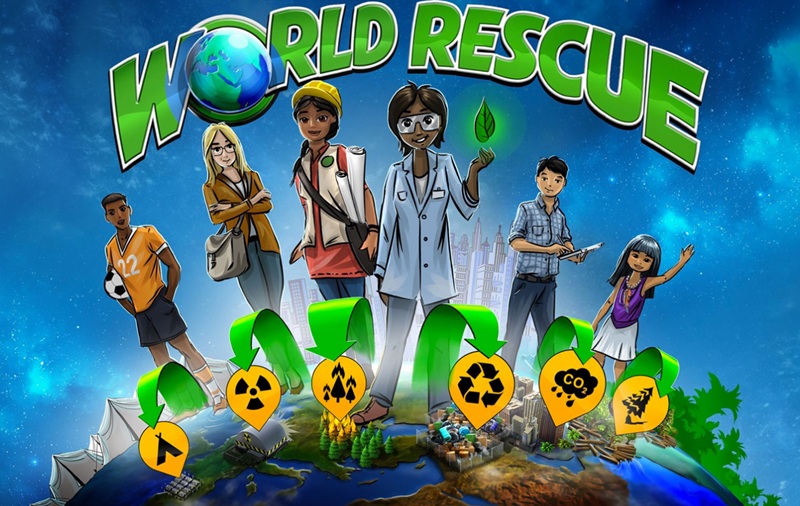
World Rescue
Pocket Scientists, ZU Digital, Literary Safari, UNESCO MGIEP
A mobile game for children about the Sustainable Development Goals of the United Nations. You follow five young people in five countries — Kenya, Norway, Brazil, India and China — and each of them faces a different problem in their own community: people forced to leave their homes, a disease outbreak, forests being cut down, a drought, and polluted air and water. You help them by playing short mini-games with your finger: puzzles, quizzes, sorting tasks and simple planning tasks, most of them under a time limit. A professor character explains what the problem is and why it matters. The idea behind the game is "think globally, act locally": the problems are global, but you solve them in one village, one town or one factory at a time.
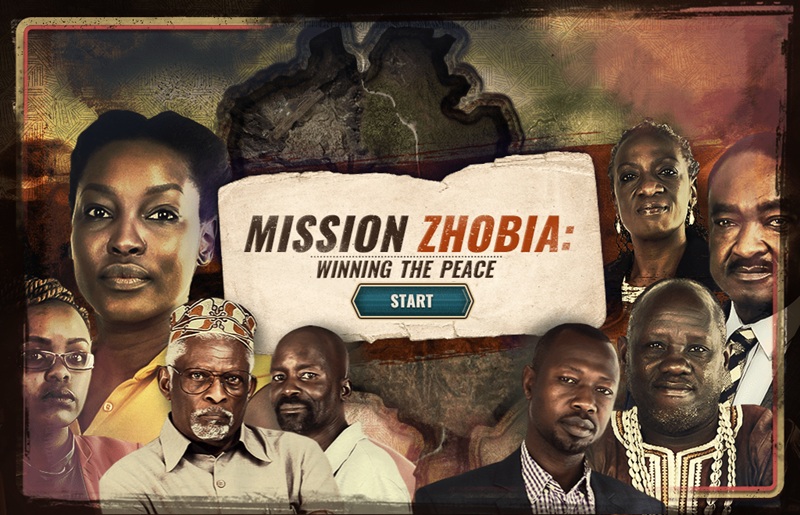
Mission Zhobia
PeaceNexus Foundation, &Ranj
You play a project manager sent to Zhobia, a made-up country that has just come out of a violent conflict. Your job is to design a project that strengthens the justice system there, and the person who had the job before you already failed. You read briefings and local news, and you meet officials, community leaders and court staff, choosing what to say to each of them. Say the right thing and people trust you and tell you more. Say the wrong thing and they stop talking to you, and you do not get a second chance. At the end you decide where the courthouse should be built, what kind of justice system to support and who should be trained, then you hand in your plan and find out how well you read the country.
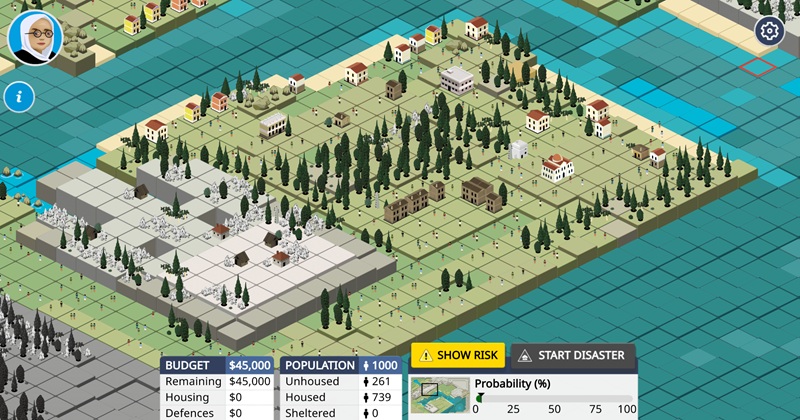
STOP DISASTERS!
United Nations Office for Disaster Risk Reduction (UNDRR), Playerthree
You get to be in charge of preparing a community for different natural disasters, like earthquakes, floods, tsunamis, wildfires, and hurricanes. You have limited time and resources, so you need to decide where to build things, how to protect people, and what safety measures to put in place. The goal is to make your community as safe and prepared as possible before the disaster hits.
3rd World Farmer
3rd World Farmer Team
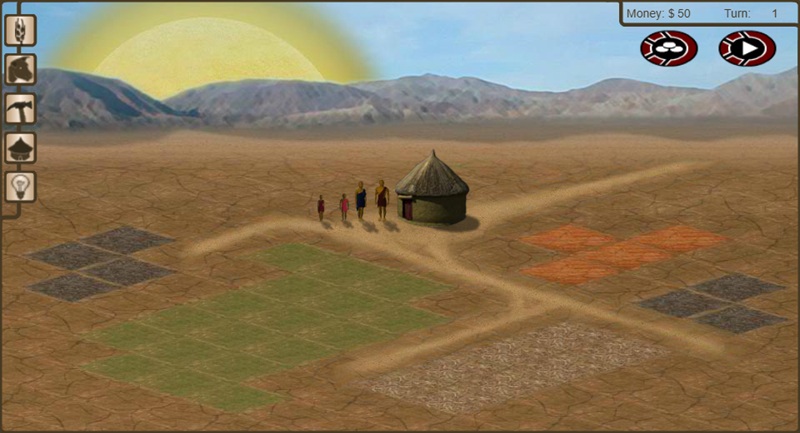
You look after one farming family in Africa. Each turn is one year. You have very little money and you must decide how to use it. Buy seeds and plant crops. Buy an animal, a tool or a shed. Send a child to school, or buy medicine when someone is ill. You can also put money into projects for the whole village. Then you harvest, and you read a short report on the year. After that, something happens that you did not choose. A good harvest. A drought. Illness. Armed men who take your animals. Officials who take your savings. Sometimes a family member dies. You begin the next year with whatever is left, and you decide again. The game ends when the family dies out, or when you decide to stop.
Building Hope - Refugee Camp Simulator
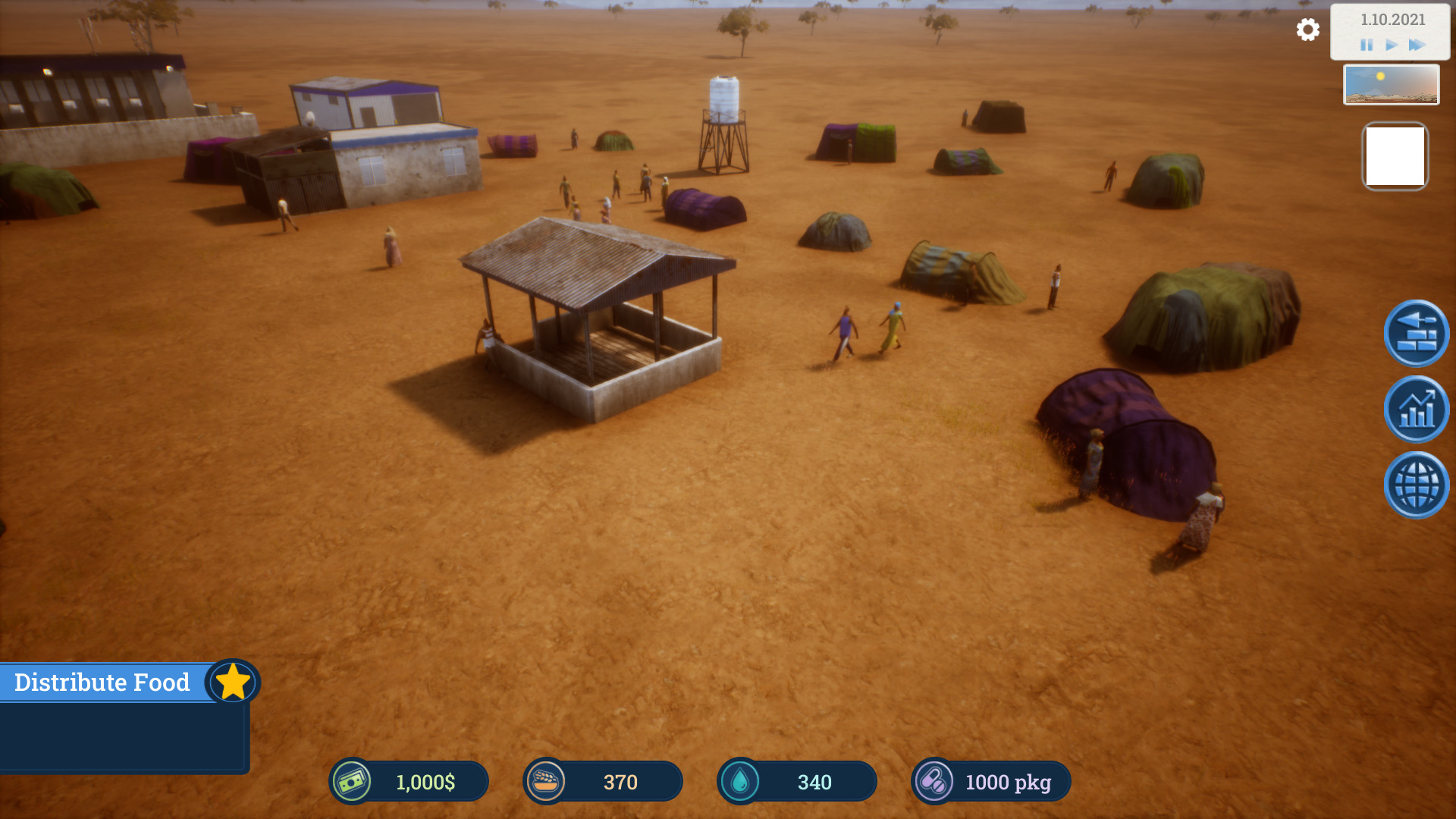
You manage a refugee camp for people who have fled war, famine or violence. Your job is to build it and keep it running. Shelter comes first: you can put up container houses if you can raise the donations, or tents if you cannot, or you can leave people to build their own. Food and clean water have to reach everyone, so you recruit refugees to help you run a distribution system, and you find out whether it holds up when a crisis hits. Charities assign you tasks, and how well you complete them shapes what happens next — the game tracks your successes and your failures and builds the story around both. Several maps and mission types are already playable.
Humanitarian Worker Simulator
Independent project
You play a field coordinator for ARAN, an invented aid organisation working in a conflict zone in eastern Democratic Republic of the Congo. Over a mission of six months, taken one week at a time, you decide how to spend your budget and where to send your teams: keeping vehicles on the road and fuel in the tanks, running water and sanitation work, keeping medical supplies moving, and watching how tired your staff are getting. You also have to talk to the armed groups who control the roads, because being accepted by them is the only security you have. Before you confirm a decision the game shows you what it is likely to cause immediately, in a few weeks, and by the end of the mission, but chance still plays a part. When the six months are over you see a list of every choice you made and what it led to.
Our Games
Field Ready: Verdania
Play the scenario-based mission game across all CHS commitments in Verdania.
Core Humanitarian Standard Trivia
Fast 10-question sessions with difficulty levels, timer, answer review, and summary.
The Feedback Loop
Lead a humanitarian operation where accountability choices have long-term consequences.